

Explosion-Proof Cold Storage Turnkey Solution Provider in China
In high-risk sectors such as the chemical, semiconductor, and pharmaceutical industries, explosion-proof cold storage facilities are essential for ensuring safe operations. Beyond merely maintaining low temperatures, these facilities must possess explosion-proof capabilities; every stage—from design and construction to final acceptance—directly impacts operational safety and the regulatory approval process.
HeShun offers one-stop delivery solutions for explosion-proof cold storage, lithium battery storage, and low-temperature explosion-proof storage systems. We provide designs covering temperature ranges from -60°C to +20°C and explosion-proof ratings ranging from Ex d IIB T4/T6 to Class I Div 1/2, with full-facility explosion-proof certification.
Types of Explosion-Proof Cold Storage
We tailor explosion-proof ratings, temperature control precision, and protection standards to meet the specific explosion-proof requirements of various industries.

Ex d IIB T4 explosion-proof certification; features gas detection and ventilation control to reduce hazardous gas concentrations.

Designed for the storage of photoresists, specialty gas-related materials, and highly sensitive electronic chemicals.

Precise temperature control (2–8°C) and zoned management for APIs to prevent cross-contamination.

Designed with thermal runaway pressure relief and vapor exhaust systems to mitigate the risk of fire and explosion.
Intelligent Monitoring and Early Warning System
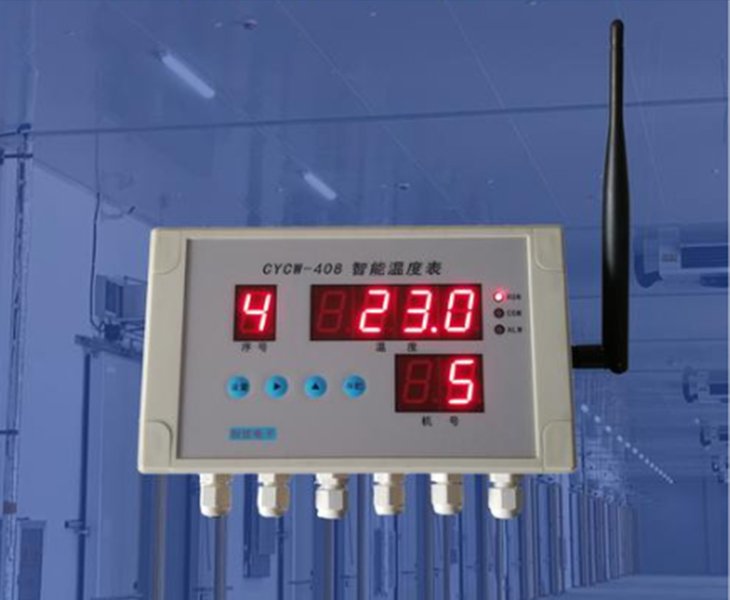
Temperature, humidity, and gas levels inside the storage are monitored in real time. You can check the data from your phone anytime—just log into the cloud and see what’s happening. If something goes out of range, the system sends an alert and texts the person in charge automatically.

Intelligent Temperature Control System
Keeping the temperature stable in an explosion-proof cold storage isn’t as easy as it sounds. The load changes all the time—doors open, new products come in. So HeShun uses variable-frequency drives on the refrigeration equipment. The system adjusts its power output based on what’s actually happening inside, not some preset schedule. An automatic defrost cycle makes sure defrost only runs when frost actually builds up. Net result: temperature stays within ±1°C, and the system uses about 30% less energy than conventional ones.
Explosion-Proof Electrical Matrix
Every electrical component in the cold storage is built to Ex d IIC T4 standards. Not just the big stuff—distribution boxes, fans—but the wiring too. Everything. We source every part according to that standard and keep the certification records. Before anything leaves the factory, the critical parts are tested at -40°C. That way we know they’ll start up and run properly when the unit is actually in service, not just on paper.

We start thinking about certification from day one of the design phase. First step: figure out what kind of hazardous area we’re dealing with—Zone 1 or Zone 2, Class I Div 1 or Div 2. That decides which standard applies: GB 3836, ATEX, or IECEx. Then we design the whole system around that standard. Every panel gets pressure tested. Every electrical component goes through integrated explosion-proof commissioning. And we keep records and cert documents for every single test. Nothing is done after the fact.
Yes, it’s a real concern. Each chemical has its own flash point and explosive limit, and some don’t get along with others. Here’s an example: when vapor from lithium battery electrolyte mixes with organic solvent vapor, the explosive limit moves. That means the safe zone you calculated earlier might not be safe anymore. So if you’re putting multiple materials in one unit, just share your inventory with us. We’ll create separate zones based on what each product needs—how it’s classified, what temperature it requires. Keeps incompatible materials apart and avoids trouble.
Three things: gas leaks, temperature going out of range, and electrical system faults. That’s why we install multiple temperature sensors and combustible gas detectors in different spots inside the unit. If any reading looks wrong—say, gas concentration rises or temperature spikes—the system triggers an alarm and sends out notifications within three seconds. Nobody has to watch it 24/7.